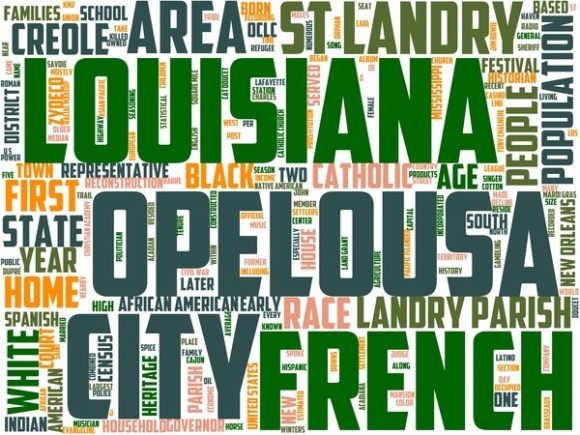
Opelousas Wordart Book Cover.jpg: A Hand-Drawn Word Cloud That Works Where You Do
If you’ve ever stared at a blank notebook cover, a plain tote bag, or a dull promotional flyer and thought, “This needs personality—but not *more* work,” Opelousas Wordart Book Cover.jpg might be exactly what your creative process has been missing. It’s not just another digital graphic. It’s a vibrant, hand-drawn word cloud—carefully composed, rich in color, and intentionally flexible—designed to slot seamlessly into real projects you’re already making or planning.
What You’re Actually Getting (and Why It Matters)
Opelousas Wordart Book Cover.jpg is a high-resolution, layered JPEG file featuring an organic, hand-lettered arrangement of inspirational and thematic words—think “create,” “belong,” “joy,” “grow,” “bold,” “gather,” “dream,” and “home”—all interwoven with botanical flourishes, soft watercolor textures, and warm, earthy tones. Because it’s drawn by hand—not generated by algorithm—it carries visual warmth and subtle imperfection that reads as human, authentic, and inviting.
That matters when people pause long enough to notice your design. A coffee cup with this word cloud doesn’t just hold liquid—it holds intention. A classroom poster using it doesn’t just convey information—it signals care. And a small business’s product tag isn’t just functional; it quietly communicates values before a single word is read aloud.
Where It Fits—Without Fitting In
You don’t need permission—or Photoshop expertise—to use Opelousas Wordart Book Cover.jpg meaningfully. Its strength lies in adaptability across physical and digital contexts, especially where authenticity and approachability matter more than polish.
- For educators and librarians: Print it at 11x17” and mount it behind a reading nook. Use a cropped section as a gentle header on weekly classroom newsletters—or layer it lightly behind student writing prompts in Google Docs to spark reflection without distraction.
- For makers and crafters: Resize and print onto iron-on transfer paper for custom tea towels or denim jackets. Or trace the outlines onto wood slices for rustic shelf décor that doubles as conversation starters at local markets.
- For small business owners: Drop it into Canva as a background for social media announcements about community events, new product launches, or team milestones. The hand-drawn texture softens corporate messaging and makes “we’re excited” feel genuine—not automated.
- For authors and self-publishers: Yes, it works beautifully as a book cover—but also as interior chapter dividers, ebook cover variants for Amazon KDP, or printable bookmarks bundled with pre-orders. Its composition balances visual interest with readability, even at thumbnail size.
- For wedding and event planners: Use it on rehearsal dinner menus, welcome signage, or thank-you cards—especially for intimate, garden-style gatherings where guests respond to tactile, unhurried aesthetics.
Real Decisions, Not Just Downloads
Before adding Opelousas Wordart Book Cover.jpg to your cart or project folder, consider how it’ll function—not just how it looks.
Ask yourself: Is contrast important here? The original JPEG uses soft tonal shifts rather than stark black-and-white, so it shines on light backgrounds but may need slight brightness adjustment if placed over pale pastels or natural linen. If you’re printing on dark fabric or kraft paper, test a small crop first—or use a white stroke effect around key words in your editing app to ensure legibility.
Think about scale. Because it’s hand-drawn, fine details (like delicate vine loops or tiny serif touches) hold up well at 8.5x11”, but may blur if stretched to billboard size without vector conversion. For large-format prints—say, a 4’x6’ festival banner—use the central cluster of words and leave outer elements out, or contact the designer for a scalable version if available.
Also consider context sensitivity. While the words are uplifting and broadly resonant, they aren’t neutral. Phrases like “rise,” “lead,” or “legacy” land differently depending on audience. A nonprofit supporting trauma recovery might lean into “tend,” “breathe,” and “safe,” while a youth coding camp may highlight “build,” “try,” and “next.” Opelousas Wordart Book Cover.jpg gives you that foundation—you choose which words speak loudest in your space.
More Than Decoration—A Quiet Design Partner
This isn’t clip art you drop in and forget. It’s a tool that responds to how you work. Bloggers embed it into Pinterest pins to boost engagement—its color and texture stop the scroll better than minimalist line art. Therapists print it on cardstock and cut out individual words for grounding exercises during sessions. Etsy sellers use it across multiple listings—not as identical branding, but as a cohesive visual thread linking handmade journals, ceramic mugs, and woven wall hangings.
Even in digital-first spaces, its analog soul stands out. On Instagram, where saturated gradients and AI-generated patterns dominate feeds, Opelousas Wordart Book Cover.jpg offers breathing room. It invites closer looking. It feels earned—not optimized.
Who Benefits Most—and How
Freelancers building brand consistency across client deliverables use it as a unifying visual motif—same word cloud, different crops and color overlays—so proposals, slide decks, and email headers feel connected without being repetitive.
Hobbyists learning screen printing or embroidery often start with simple, high-contrast motifs. Opelousas Wordart Book Cover.jpg gives them complexity *with* clarity—its bold letterforms translate cleanly to stencil cutting or satin stitch, while the organic layout keeps things from feeling rigid.
Nonprofits and community groups use it on flyers for neighborhood clean-ups, literacy drives, or mutual aid efforts—not because it shouts “look at me,” but because it quietly says, “this is for us, made with care.”
And for anyone who’s ever felt overwhelmed by blank templates or sterile stock graphics, Opelousas Wordart Book Cover.jpg is permission to begin simply: print it, pin it, trace it, layer it, resize it, or let it sit softly behind your own words until the right moment arrives.
It won’t fix broken workflows or replace strategy—but it does make the act of showing up, creating, sharing, and connecting feel a little more grounded, a little more joyful, and unmistakably human.