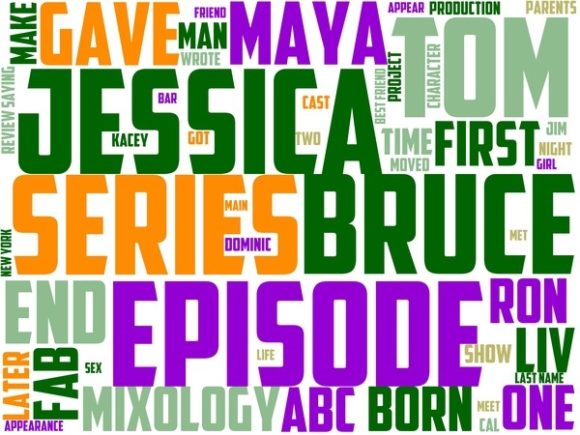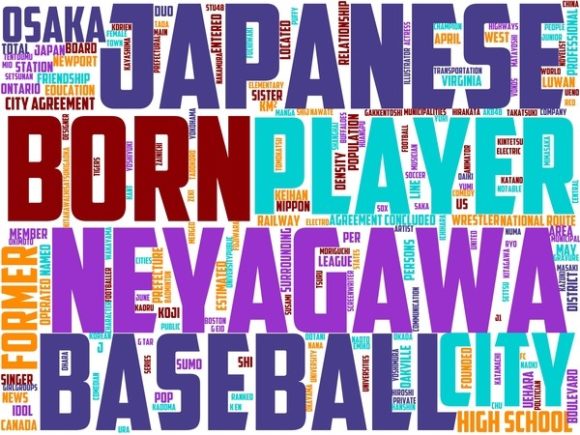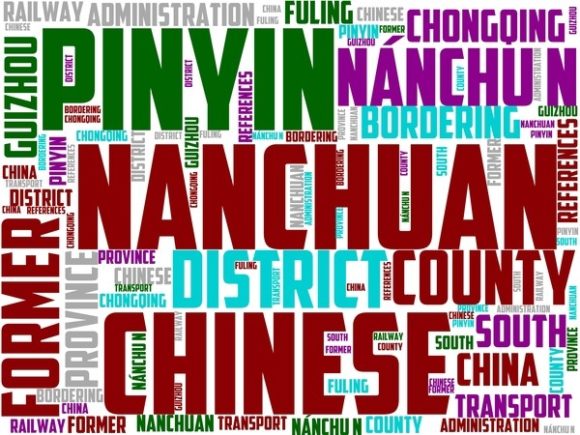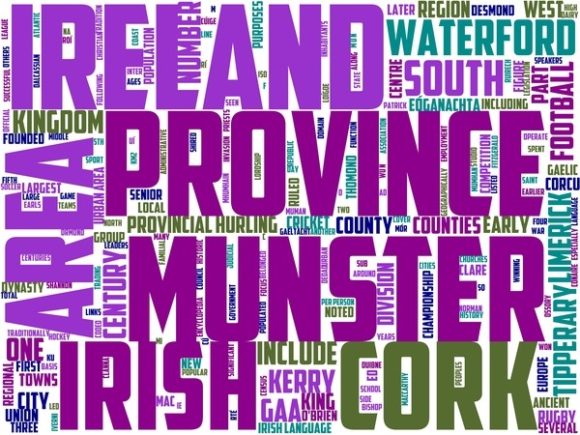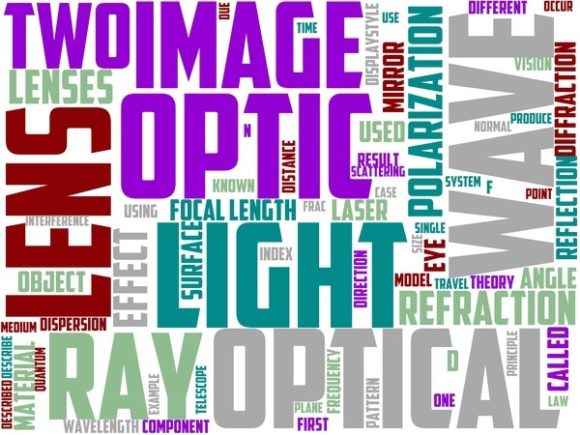
Optical Wordart Print.jpg: A Hand-Drawn Word Cloud for Versatile Creative Use
Optical Wordart Print.jpg is a high-resolution, hand-drawn word cloud image designed specifically for practical, multi-surface application. Unlike algorithmically generated word clouds or vector-based typography tools, it features organic linework, intentional color layering, and balanced visual rhythm—all captured in a single JPEG file. Its resolution (typically 300 DPI at common print sizes) supports crisp output on fabric, paper, ceramic, and digital displays. What sets Optical Wordart Print.jpg apart isn’t just aesthetics—it’s the deliberate integration of craft and function: every curve, overlap, and hue shift was drawn by hand, then digitized without flattening texture or nuance.
How It Differs From Other Word Cloud Formats
Most word clouds fall into three broad categories: data-driven generative tools (like WordCloud Python libraries), editable vector templates (SVG or AI files), and pre-designed raster assets like Optical Wordart Print.jpg. Each serves different workflows and outcomes.
Generative tools excel when meaning derives from word frequency—ideal for reports, academic visuals, or live dashboards. But they rarely prioritize composition, spacing, or aesthetic cohesion. The result is often dense, uneven, or visually chaotic unless manually refined—a time-intensive process that defeats their efficiency advantage.
Vector-based word clouds offer scalability and infinite editability: you can change colors, rearrange words, or resize without quality loss. However, that flexibility comes with tradeoffs. Without strong design intuition—or access to professional layout software—users often end up with generic, unbalanced arrangements. Moreover, vectors lack the tactile authenticity of hand-drawn elements, which matters significantly in markets where warmth and individuality signal value (e.g., boutique apparel, handmade stationery, wellness branding).
Optical Wordart Print.jpg occupies a distinct middle ground: it’s fixed in composition but rich in expressive detail. Because it’s hand-drawn and delivered as a high-fidelity JPEG, it retains subtle imperfections—slight line variations, soft shadowing, gentle color bleed—that communicate human intention. That makes it especially effective where emotional resonance matters more than dynamic reconfiguration.
Real-World Applications and Practical Fit
Optical Wordart Print.jpg is built for implementation—not just inspiration. Its design accommodates both digital and physical production methods across diverse substrates:
- Clothing & textiles: Works well with screen printing, heat transfer, and direct-to-garment (DTG) processes. Its layered colors translate clearly even at medium scale (e.g., chest prints on t-shirts or back panels on tote bags).
- Paper goods: Scales cleanly for greeting cards, postcards, and notebook covers. Unlike thin-line vectors, its slightly weighted strokes hold up under offset or digital printing without ink spread concerns.
- Home décor & accessories: Appears balanced on pillows, mugs, magnets, and wall art—even when reproduced via sublimation or ceramic decal transfer.
- Digital use: Functions effectively in e-book chapter headers, social media banners, email newsletter graphics, and presentation slides—especially where brand consistency relies on tone over interactivity.
It’s also intentionally versatile in licensing scope. Most versions permit commercial use across physical and digital products without per-item fees—making it cost-effective for small-batch makers, educators designing classroom materials, or indie publishers building branded collateral.
Tradeoffs to Consider Before Choosing
No format suits every need—and Optical Wordart Print.jpg is no exception. Its strengths become limitations in certain contexts:
- Editing constraints: You cannot reorder, add, or delete words without image-editing software and design skill. If your project requires frequent text updates—say, rotating motivational phrases on weekly planner stickers—this may not be the most efficient option.
- Color adaptation: While its palette is vibrant and harmonious, recoloring a JPEG without losing depth or introducing banding requires careful masking and blending. Vector alternatives allow one-click hue shifts with full fidelity.
- Scale extremes: Though suitable for standard poster sizes (11×14", 18×24"), extreme enlargement (e.g., 4×8 ft banners) may reveal pixel-level texture if not upscaled thoughtfully. For massive-format applications, a professionally redrawn vector version would offer greater control.
- Language & cultural specificity: The existing word selection reflects common English-language themes (e.g., “creativity,” “joy,” “explore,” “breathe”). Adapting it for multilingual markets or niche terminology demands custom illustration—not just translation.
When Optical Wordart Print.jpg Is Likely the Right Choice
Consider Optical Wordart Print.jpg if your priority is speed-to-execution paired with expressive authenticity. It shines when:
- You’re producing limited-run merchandise—like a run of 50 embroidered tote bags for a yoga studio launch—and want consistent, warm, non-generic visuals.
- You're designing a cohesive set of printables (e.g., affirmation cards + journal pages + digital wallpapers) and need unified typographic language without managing multiple font licenses or vector layers.
- You lack design software access or confidence but still require professional-grade output—Optical Wordart Print.jpg lets you skip the learning curve of layout tools while avoiding clip-art sterility.
- Your audience responds to handmade cues: wellness communities, educational nonprofits, artisan markets, and creative workshops often favor visibly human-made elements over digitally perfect ones.
When Another Option May Serve Better
Optical Wordart Print.jpg becomes less ideal when adaptability outweighs aesthetic finish. For example:
- A marketing team building a campaign with rotating slogans across 12 social posts each month may benefit more from a customizable vector template or a lightweight web-based word cloud generator that pulls live data.
- An educator creating differentiated reading materials for students with dyslexia might need adjustable font weight, spacing, and contrast—features easier to control in scalable vector or HTML/CSS formats.
- A packaging designer developing a product line with five variants (each requiring unique keyword emphasis) would likely prefer editable source files to avoid recreating visual hierarchy from scratch each time.
Making an Informed Decision
Choosing among word cloud resources isn’t about finding the “best” format—it’s about matching tool to intent, capacity, and context. Optical Wordart Print.jpg stands out for designers, makers, and communicators who value expressive clarity over infinite flexibility. Its hand-drawn origin gives it presence; its JPEG delivery ensures accessibility; its broad usage rights support real-world iteration.
If you’re evaluating options, ask yourself: Do I need to change the words often? Am I printing at very large or very small scales? Will this appear alongside other hand-crafted elements—or sit beside sleek, minimalist UI components? Does my timeline allow for design refinement, or do I need something production-ready today?
Answering those questions honestly reveals whether Optical Wordart Print.jpg aligns with your goals—or whether a more adaptable, editable, or technically specialized alternative better fits your current project’s requirements.