Mycetology Wordart Sublimation
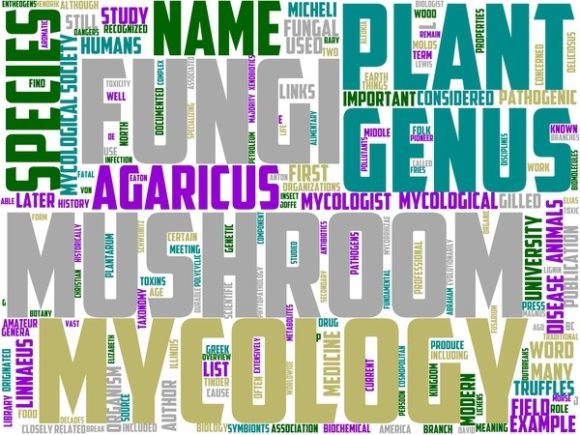
If you’ve ever held a hand-drawn, vibrant wordcloud inspired by fungi—think spores, mycelium, symbiosis, and forest floor wonder—and imagined it blooming across a soft cotton t-shirt, a ceramic mug steaming with morning coffee, or a linen pillow nestled on your sofa, you’re already thinking like someone who gets the quiet magic of Mycetology Wordart Sublimation. It’s not just clipart. It’s a tactile, thoughtful design tool: a hand-illustrated, color-rich wordcloud built for sublimation printing—and designed to carry meaning as much as aesthetics.
What exactly is Mycetology Wordart Sublimation?
At its core, Mycetology Wordart Sublimation refers to a ready-to-use digital design file—a high-resolution, layered, print-ready wordcloud—that celebrates the language and spirit of mycology (the scientific study of fungi). Every word—hyphae, decomposer, luminescent, network, resilient, sporeprint—is thoughtfully placed, hand-drawn, and arranged in organic, flowing shapes that echo fungal growth patterns. The colors aren’t random: earthy ochres, deep forest greens, bioluminescent teals, and soft lavenders mimic real mushroom caps, gills, and mycelial webs. Because it’s optimized for sublimation, it transfers cleanly and vividly onto polyester-blend fabrics, coated ceramics, aluminum, and other sublimation-friendly surfaces—retaining fine linework and subtle gradients without pixelation or bleeding.
Where this wordcloud truly shines—in real life, not just theory
You don’t need a studio or a degree to make something meaningful with Mycetology Wordart Sublimation. You need a purpose—and here’s where it fits naturally:
- Educators & Science Communicators: A biology teacher prints the wordcloud onto reusable tote bags for a “Fungi Friday” unit—students instantly connect vocabulary to visual rhythm. Nature centers use it on event banners (“Mycelium Matters Week”) and laminated trail guide cards, turning abstract concepts into memorable, shareable visuals.
- Small-Batch Makers & Textile Designers: A slow-fashion brand embroiders the wordcloud outline onto organic cotton tea towels, then fills select words with subtle cross-stitch—blending sublimation-ready base art with handmade texture. Another creator uses the same file to heat-transfer onto silk scarves, pairing fungal poetry with fluid drape.
- Wellness & Holistic Practitioners: A forest therapy guide prints the design onto linen eye pillows infused with dried lavender and chamomile—words like grounding, patience, and interconnection become part of the ritual. Yoga studios apply it to cork mats and reusable water bottles, reinforcing themes of regeneration and unseen support systems.
- Event Planners & Wedding Creatives: Think rustic-chic invitations where “mycelium” curls around the couple’s names, or custom cocktail napkins stamped with tiny spore-inspired words. One planner used the wordcloud as a background layer beneath transparent acrylic place cards—subtle, sophisticated, and deeply on-brand for a woodland elopement.
- Authors, Illustrators & Indie Publishers: An e-book on urban foraging features the wordcloud as a chapter divider—each section begins with a different cluster highlighted in gold foil (via print-on-demand sublimation). A zine about fungal folklore uses it as a cover wrap for hand-bound journals, stitched with mushroom-dyed thread.
Practical things to keep in mind before you press “print”
Sublimation is forgiving—but not invisible. Here’s what helps it land right:
- Material matters most: This design thrives on white or light-colored polyester blends (for fabric), poly-coated mugs, or sublimation-grade aluminum. It won’t pop on 100% cotton tees unless they’re specially coated—and dark backgrounds mute the delicate color balance. Always test on your exact substrate first.
- Scale shifts meaning: At 4” wide on a business card, “symbiosis” becomes an elegant detail. At 36” wide on a wall banner, it invites pause and reflection. Consider how legibility and emotional impact change with size—especially if key words carry intention (e.g., healing, quiet, return).
- Layering opens doors: Many users pair the wordcloud with minimalist line drawings—tiny mushrooms, branching hyphae, or subtle watercolor washes—without overwhelming the composition. Others reverse-print select words in white ink on dark textiles for contrast. The file’s layered PSD or PNG format makes that easy.
- Licensing is low-friction—but check scope: Most Mycetology Wordart Sublimation files come with extended commercial licenses, covering physical products, digital templates, and even small-batch resale. They typically exclude large-scale mass manufacturing or reselling the file itself as a standalone design asset. When in doubt, glance at the license summary—it’s usually clear and human-readable.
Why people choose it over generic nature-themed graphics
It’s the specificity that resonates. A generic “forest” wordcloud might say trees, green, wild. This one says rhizomorphs, chitin, wood-wide-web, lichen. That precision attracts audiences who care—not just about aesthetics, but about depth, accuracy, and reverence. A science museum gift shop reports higher engagement with apparel featuring this wordcloud versus botanical motifs; visitors linger, point, ask questions. Therapists tell us clients notice the words during sessions—and later reference them (“Remember the ‘resilient’ part?”). It doesn’t shout. It hums.
A few quiet limitations—worth noting, not discouraging
This isn’t a one-click solution for every project. Because it’s hand-drawn and rich in nuance, resizing it beyond recommended dimensions (usually up to 200% of original) may soften fine strokes. It’s also intentionally non-photorealistic—so if your brand leans heavily into clinical or hyper-minimalist visuals, the warmth and texture might feel too expressive. And while it works beautifully on sublimation, it’s not optimized for direct-to-garment (DTG) printing without minor prep—so DTG users often simplify the color palette or convert to vector outlines first.
Real moments where it made the difference
A textile artist used the wordcloud as a repeat pattern for a limited-run scarf series—each scarf featured a different fungal theme (Decay & Renewal, Bioluminescence, Symbiosis) with corresponding words emphasized in metallic thread. Customers wrote in saying they wore them to soil health workshops and mycology meetups—and strangers started conversations because the words sparked recognition.
A university mycology lab printed the design onto reusable lab coats for undergrad volunteers. Not only did it unify the team visually, but faculty noticed students using the words in presentations—“We observed hyphal fusion, just like the diagram shows”—linking visual memory to scientific practice.
A grief counselor ordered magnets with a softened version of the wordcloud—words like hold, slow, root, return enlarged and gently blurred. Clients took them home, stuck them on fridges and journal covers—not as decoration, but as quiet anchors.
That’s the quiet power of Mycetology Wordart Sublimation: it doesn’t just fill space. It holds space—for curiosity, care, complexity, and quiet celebration of the living world beneath our feet.