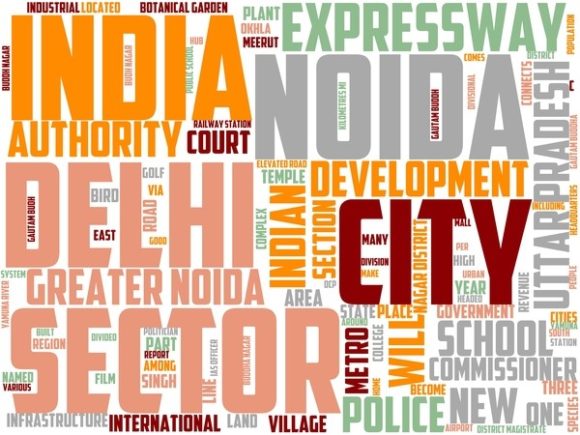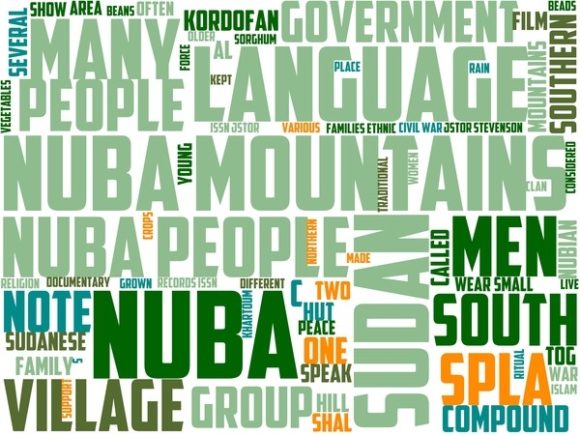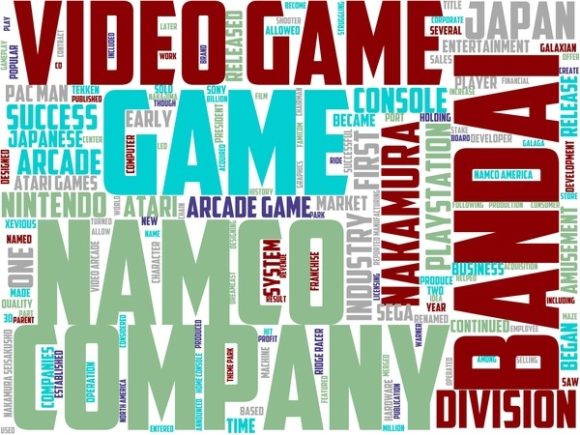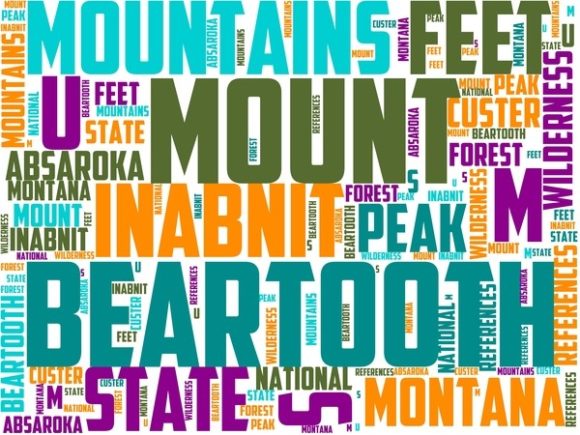
Mongolic Wordart Tshirt: Hand-Drawn Colorful Wordcloud Design
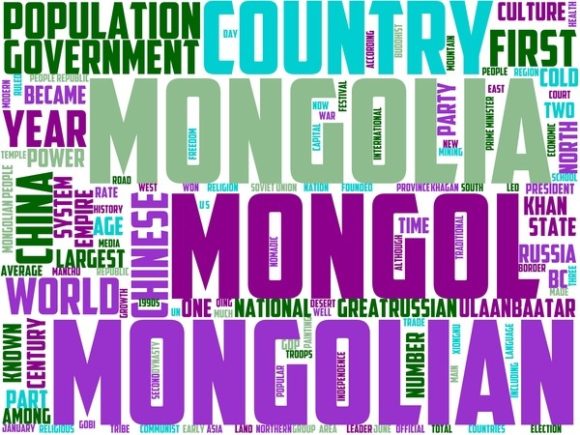
If you're looking for a fresh, expressive way to add personality and meaning to everyday items—whether it's a soft cotton t-shirt, a vibrant notebook cover, or a custom greeting card—you’ll love the Mongolic Wordart Tshirt. It’s not just a graphic—it’s a hand-drawn, colorful wordcloud built around themes like strength, heritage, joy, resilience, or community. Each word is thoughtfully placed, sized, and styled to create visual harmony and emotional resonance.
What Makes This Wordcloud Special?
Unlike generic digital word clouds, the Mongolic Wordart Tshirt design is crafted by hand—no algorithms, no auto-layouts. That means organic flow, intentional spacing, and subtle variations in line weight and color saturation. Words blend naturally, with overlapping letters, gentle curves, and warm, earthy tones mixed with bold accents. The result feels personal, artistic, and culturally grounded—ideal for people who value authenticity over mass-produced visuals.
This isn’t clipart. It’s a versatile, high-resolution vector or PNG file (often provided in both formats), ready for scaling without losing clarity. Whether you’re printing on fabric, engraving wood, or layering into a digital layout, the lines stay crisp and the colors stay rich.
Why People Choose It—Beyond Aesthetics
Many creators and small business owners turn to the Mongolic Wordart Tshirt because it solves real needs:
- Storytelling made simple: Instead of writing paragraphs about values or mission, one glance at the wordcloud conveys tone, identity, and intention—perfect for brand launches, classroom walls, or wellness retreats.
- Time-saving creativity: You don’t need design skills to build something meaningful. Drop the wordcloud into Canva, Adobe Illustrator, or even Microsoft Word—and pair it with a clean font or minimal background for instant polish.
- Cultural connection without cliché: For educators, cultural centers, or Mongolian diaspora groups, it offers respectful, modern representation—not stereotyped symbols, but language-rich, human-centered expression.
- Emotional resonance: Words like “unity,” “horizon,” “spirit,” or “steppe” carry layered meaning. When arranged with care, they invite pause, reflection, and conversation—not just decoration.
Real Ways People Use It (No Design Degree Required)
You don’t need a studio or a budget to get started. Here’s how real users bring the Mongolic Wordart Tshirt to life:
- Wear it with pride: Print it on organic cotton tees, tote bags, or aprons—great for festivals, language workshops, or cultural fairs.
- Teach with texture: Teachers paste it onto bulletin boards or laminate it as a discussion prompt. Students circle words that resonate—or add their own in matching ink.
- Brand with heart: A yoga studio uses it on class schedules and water bottles. A boutique coffee roaster wraps it around limited-edition bags. A freelance writer features it in her newsletter header.
- Create keepsakes: Hobbyists cut it into vinyl for wall decals, stitch it onto linen pillows, or stamp it onto handmade journals using pigment ink.
- Design digital + print: Bloggers embed it in Pinterest pins. Event planners use it as a base layer for wedding invitations. Authors include it in ebook chapter headers or book launch posters.
Where It Fits Naturally—in Life and Work
The beauty of this wordcloud lies in its quiet flexibility. It works where other graphics feel too rigid or too generic:
At home? Frame it as wall art. Stitch it onto throw pillows. Embroider it onto denim jackets. Paint it onto ceramic mugs using food-safe transfer paper.
In business? Apply it to packaging inserts, trade show banners, or branded thank-you cards. Use it as a subtle watermark on proposals or client presentations. Feature it on Instagram Stories to highlight core values—without typing a single bullet point.
In education? Translate key terms into Mongolian script and layer them in. Compare word density across themes (“tradition” vs. “innovation”) in a visual literacy lesson. Let students rearrange printed words to build their own version—hands-on, tactile, and memorable.
Things to Keep in Mind Before You Start
Before downloading or ordering, consider these practical points:
- Licensing matters: Check whether your license allows commercial use—especially if you plan to sell products featuring the design. Most reputable sellers offer clear personal vs. extended licenses.
- Color mode counts: For screen use (websites, social media), RGB is fine. But for professional printing (business cards, apparel), request or convert to CMYK—and preview how colors shift on fabric or paper.
- File format affects function: Vector (SVG, EPS, AI) scales infinitely and edits cleanly in design software. High-res PNGs work well for quick drag-and-drop—but avoid stretching them beyond original dimensions.
- Text legibility varies: Smaller words may blur when scaled down for tiny tags or embroidery. If you need crisp readability at 0.5 inches tall, test print first—or ask the designer for a simplified version.
- Cultural context deepens impact: If sharing this with Mongolian-speaking audiences or in bilingual settings, verify spelling and script accuracy. Some versions include traditional Mongolian script; others use Cyrillic or Latin transliteration—choose what aligns with your audience’s familiarity.
A Tool That Grows With You
Whether you’re designing your first Etsy listing or launching a nonprofit campaign, the Mongolic Wordart Tshirt adapts. Beginners appreciate its plug-and-play ease. Seasoned designers love its hand-crafted nuance and layering potential. Educators rely on its openness to interpretation. And entrepreneurs value how quickly it builds visual cohesion across touchpoints—from a sticker on a package to a banner at an event.
It doesn’t shout. It invites. It doesn’t replace your voice—it amplifies it. And because it’s rooted in language, rhythm, and human expression, it stays relevant whether you’re crafting a birthday card or rebranding a decade-old business.
So go ahead—print it, stitch it, share it, teach with it, wear it. Let the words do some of the work—so you can focus on what matters most.