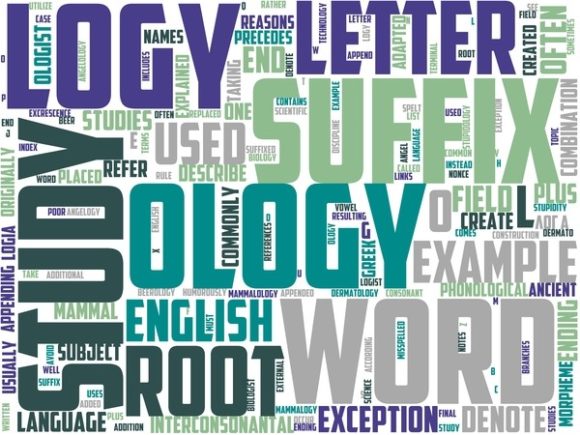
Mociology Wordart Tshirt: A Thoughtful Choice for Hand-Drawn Word Cloud Design
At its core, the Mociology Wordart Tshirt is not just a clothing item—it’s a versatile, hand-drawn word cloud design resource. Unlike algorithmically generated word clouds or vector-based typography sets, this collection emphasizes organic line work, intentional color layering, and expressive composition. Each element is crafted by hand, then digitized with fidelity to texture and nuance—making it especially well-suited for applications where warmth, personality, and visual authenticity matter.
What Sets Mociology Wordart Tshirt Apart
The distinction lies in execution and intent. While many word cloud tools prioritize frequency-weighted scaling or automated layout, Mociology Wordart Tshirt treats language as visual rhythm—not data visualization. Words flow around one another like brushstrokes; spacing feels considered rather than calculated; colors are applied with painterly variation, not flat fills. This makes it ideal for projects where emotional resonance outweighs strict readability at distance—think embroidered pillow covers, screen-printed tote bags, or limited-run zine covers.
It also arrives as a ready-to-use digital asset bundle—not software, not a subscription, and not a template generator. You receive layered PNGs, high-res transparent files, and often SVG or EPS variants optimized for both print and digital adaptation. That means no learning curve tied to platform-specific interfaces, and no dependency on internet connectivity or ongoing licensing.
How It Fits Within Broader Design Options
Designers and makers today have several paths when sourcing word-based visuals:
- Algorithmic word cloud generators (online or desktop): Fast, customizable by input text and weight rules—but often produce rigid, repetitive layouts that lack tactile character.
- Typography-focused design kits: Offer clean, modern fonts and arranged phrases, but rarely embody the associative, freeform energy of a true word cloud.
- Hand-lettering marketplaces: Provide expressive letterforms, yet usually focus on single words or short quotes—not dense, interwoven clusters of meaning.
- Custom illustration commissions: Deliver full originality and precise alignment with brand voice—but require time, budget, and iterative feedback.
In this landscape, Mociology Wordart Tshirt occupies a middle ground: more intentional than auto-generated tools, more adaptable than one-off commissions, and more atmospheric than typographic kits. It doesn’t replace custom illustration—but it offers a strong starting point when you need expressive density without bespoke overhead.
Practical Use Cases and Realistic Fit
Where does it work best? Consider these scenarios:
- Small-batch apparel: Screen printing or heat transfer on t-shirts, sweatshirts, or aprons benefits from the design’s built-in contrast and legibility at mid-range sizes (8–14 inches wide). Its hand-drawn texture translates well to fabric without requiring halftone tricks or excessive simplification.
- Print-on-demand home goods: Pillow covers, ceramic mugs, and canvas prints retain visual interest because the color gradients and overlapping elements avoid the “flatness” that sometimes plagues vector-only assets.
- Paper-based crafts: Scrapbooking, greeting cards, and event stationery gain charm from subtle imperfections—slight variations in line weight, gentle color bleed, or irregular spacing—that feel human-made, not machine-perfected.
- Digital collateral with analog appeal: E-book chapter dividers, newsletter headers, or social media banners use the design to signal creativity and approachability—especially effective for wellness brands, educators, indie publishers, or mindfulness-focused businesses.
That said, it’s not universally optimal. If your project demands strict scalability to billboard size, ultra-fine detail at 200% zoom, or precise multilingual kerning across dozens of scripts, the hand-drawn nature introduces constraints. Similarly, if your workflow relies heavily on real-time text editing—swapping out words dynamically within a layout—the static nature of the files means manual reworking is required.
Strengths and Tradeoffs, Clearly Stated
Strengths include:
- Natural variation in stroke, scale, and saturation—no two areas look identical, supporting visual longevity.
- Color palettes designed for harmony, not contrast alone—often using analogous or muted complementary schemes that age well and print reliably.
- File organization suited for production: separate layers for background, base text, highlights, and accents allow selective use or recoloring in design software.
- No attribution requirements or usage caps—suitable for commercial resale, including physical products and digital downloads.
Tradeoffs to consider:
- Limited flexibility for rapid text replacement—you can’t paste new copy and auto-reflow. Adjustments involve editing in Illustrator, Affinity Designer, or similar tools.
- Not optimized for accessibility-first contexts (e.g., large-print materials or screen reader compatibility), since word hierarchy is visual, not structural.
- May require minor cleanup for certain print methods—like removing semi-transparent overlaps before spot-color separation for screen printing.
- Less efficient for mass customization systems (e.g., web apps letting customers type their own phrase), unless paired with additional development work.
When to Choose Mociology Wordart Tshirt—and When to Look Elsewhere
Choose Mociology Wordart Tshirt if you value expressiveness over automation, appreciate craft-rooted aesthetics, and plan to use the design across multiple physical and digital touchpoints with consistent tone. It shines when your audience responds to sincerity, warmth, and subtle complexity—such as yoga studio merch, teacher appreciation gifts, boutique hotel welcome kits, or indie book launch materials.
Look elsewhere if your priority is speed-to-output for highly variable content (e.g., generating hundreds of unique conference name tags), if your brand guidelines mandate pixel-perfect geometric consistency, or if you’re building a scalable SaaS tool where dynamic text integration is non-negotiable.
Also worth noting: while Mociology Wordart Tshirt works beautifully in textile design—including repeat patterns for scarves or napkins—it wasn’t engineered specifically for seamless tiling. Some adaptations may require mirroring or offsetting elements manually. That’s not a flaw—it’s a reflection of its origin as a focused, singular composition rather than a system-built pattern library.
Making an Informed Decision
Before acquiring any word cloud resource, ask three questions:
- What’s the primary medium? Will it live on fabric, paper, ceramic, or screen? Each imposes different resolution, color, and durability needs.
- How much text flexibility do you actually need? Is this a one-time layout, or part of a repeatable workflow requiring frequent updates?
- What feeling should it evoke? Authority and clarity? Playfulness and spontaneity? Calm and cohesion? The answer guides whether hand-drawn density, minimalist typography, or structured data visualization fits best.
For those leaning toward expressive, human-scaled design—where each word feels placed, not plotted—the Mociology Wordart Tshirt collection delivers tangible value. It won’t solve every word-based design challenge, but it handles many common ones with quiet confidence and visual integrity.