Mianzhu Wordart Tie Dye: A Hand-Drawn Wordcloud Style for Thoughtful Creative Applications
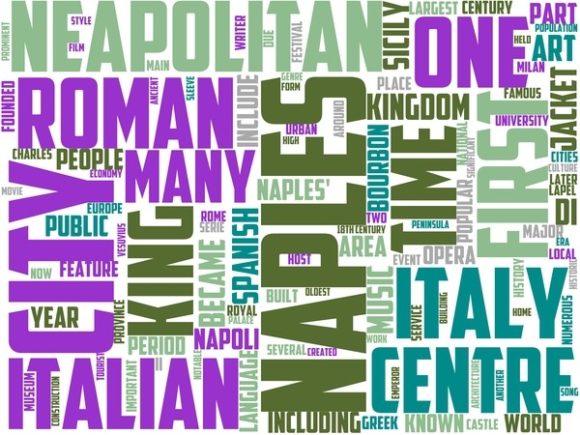
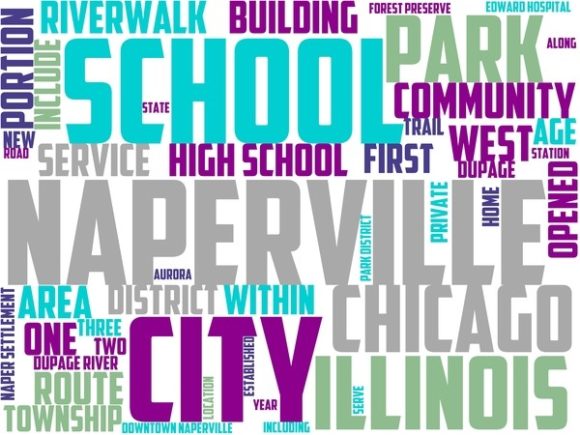
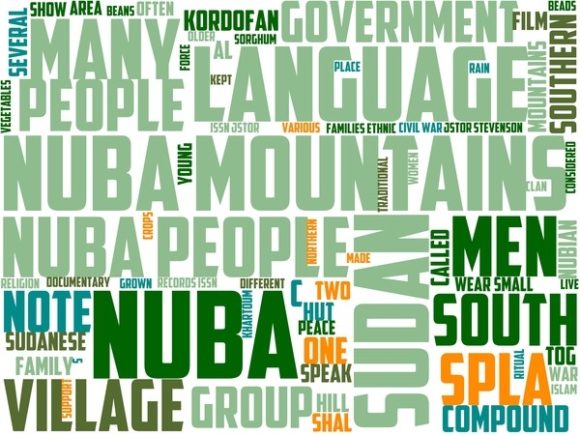
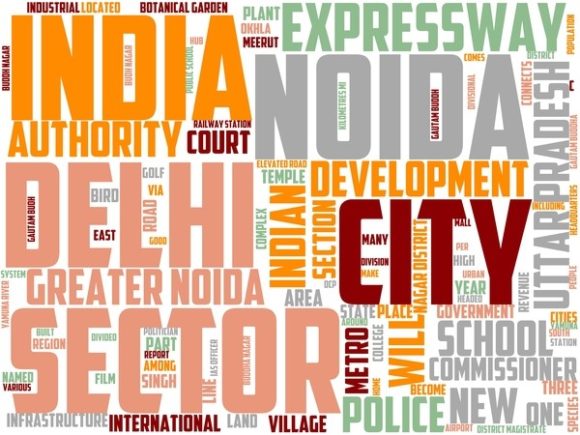
Mianzhu Wordart Tie Dye refers to a distinctive visual design approach that merges hand-drawn typography with organic, watercolor-like color diffusion—evoking the soft edges and vibrant blending of traditional tie-dye, but applied to words rather than fabric. Unlike algorithmic word clouds generated by software, Mianzhu Wordart Tie Dye is crafted manually: each word is individually drawn, sized for visual hierarchy, and layered with translucent, bleeding hues that interact naturally on the page or digital canvas. The result is a warm, human-centered composition—neither rigidly structured nor randomly chaotic—that carries emotional resonance and aesthetic cohesion.
What Sets Mianzhu Wordart Tie Dye Apart from Other Word-Based Visuals
Most word-based graphics fall into one of two broad categories: computational word clouds (like those produced by online generators) or typographic illustrations built in vector editors. Mianzhu Wordart Tie Dye occupies a deliberate middle ground. It avoids the mechanical repetition and arbitrary scaling of automated tools, where frequency dictates size without regard to rhythm or meaning. It also differs from tightly controlled vector lettering, which often prioritizes precision over texture or spontaneity.
The “tie dye” element isn’t literal—it’s a stylistic metaphor. Colors bleed softly at word boundaries; gradients shift within single letters; overlapping terms create subtle new hues where pigments merge. This effect is achieved through careful layering in digital painting software or via scanned ink-and-watercolor originals. The outcome feels tactile, even when used digitally—something many users notice when applying it to physical products like textiles or stationery.
Practical Use Cases—and Where It Excels
Mianzhu Wordart Tie Dye works especially well in contexts where authenticity, warmth, and intentionality matter more than uniformity or scalability. Its hand-crafted nature makes it ideal for:
- Textile and apparel design: Printed on cotton tees, tote bags, or scarves, the soft color transitions mimic natural dye absorption, lending credibility to eco-conscious or artisanal branding.
- Printed paper goods: On greeting cards, wedding invitations, or event programs, its irregular edges soften formal layouts without sacrificing clarity.
- Home décor and accessories: Applied to pillows, ceramic mugs, or framed posters, it adds personality without overwhelming a space—particularly effective in minimalist or boho interiors.
- Educational and inspirational materials: In classroom posters, wellness journals, or mindfulness workbooks, the organic flow supports themes of growth, connection, and self-expression.
It’s less suited for applications requiring strict brand consistency across dozens of touchpoints—think corporate annual reports or standardized packaging lines—where pixel-perfect repeatability and monochrome adaptability are non-negotiable.
How It Compares with Alternative Approaches
When evaluating design resources for word-based visuals, creators often weigh tradeoffs between speed, flexibility, tone, and production readiness. Here’s how Mianzhu Wordart Tie Dye fits into that landscape:
vs. Algorithmic Word Clouds
Automated word clouds excel at data visualization—showing keyword density in surveys or social media analysis. But they rarely convey narrative or mood. Mianzhu Wordart Tie Dye sacrifices raw data fidelity for expressive control: you choose which words appear, how large they feel emotionally (not just statistically), and how colors reinforce meaning. If your goal is to evoke “calm focus,” you might use cool blues and soft greens—even if “focus” appears less frequently than “busy” in source text. That level of interpretive freedom isn’t available in most generator tools.
vs. Vector Typography Art
Vector-based word art offers infinite scalability and crisp reproduction at any size—ideal for logos or large-format banners. Mianzhu Wordart Tie Dye, by contrast, often relies on raster layers or textured brushes that lose nuance when enlarged beyond typical print dimensions (e.g., larger than 24 inches wide at 300 dpi). However, vector art can feel sterile or overly polished. Designers choosing Mianzhu Wordart Tie Dye often do so specifically to avoid that impression—to signal care, craft, and imperfection as virtues.
vs. Hand-Lettered Scripts
Traditional hand-lettering shares Mianzhu Wordart Tie Dye’s human quality—but typically lacks the intentional color diffusion and compositional density. A single hand-lettered quote may be elegant, but it doesn’t offer the same immersive, multi-layered reading experience. Mianzhu Wordart Tie Dye invites viewers to wander visually, discovering connections between words based on proximity, hue, and weight—not just linear sequence.
Realistic Considerations Before You Choose
Mianzhu Wordart Tie Dye isn’t universally appropriate—and understanding its constraints helps avoid misalignment with project goals.
Licensing and usage rights matter. Many hand-drawn wordcloud assets are sold as commercial-use PNGs or layered PSD files. Check whether the license permits textile printing, resale on physical goods, or modification (e.g., recoloring individual words). Some bundles restrict use to personal projects unless an extended license is purchased.
Color fidelity varies across substrates. What reads as rich magenta on screen may shift toward purple or brown on uncoated paper or natural-fiber fabric—especially with water-based inks. Always request physical proofs if ordering custom-printed items, particularly for brand-critical applications.
Customization has limits. While many Mianzhu Wordart Tie Dye designs allow text replacement (e.g., swapping “gratitude” for “joy”), altering layout, spacing, or color relationships usually requires illustration expertise. Fully bespoke versions—where a designer redraws the entire composition around your specific phrase—are possible but fall outside standard digital download pricing.
When Mianzhu Wordart Tie Dye Is Likely the Right Choice
This style tends to resonate most strongly when:
- You’re developing a product line or campaign centered on mindfulness, creativity, education, or community—where tone and emotional resonance outweigh technical precision.
- Your audience values handmade aesthetics and responds positively to visual warmth, such as independent bookstores, yoga studios, or boutique gift shops.
- You need a flexible base asset that works across multiple formats—digital and print—with moderate adaptation (e.g., cropping for social tiles, resizing for stickers, or overlaying on photos).
- You’re working within realistic production timelines and budgets: ready-to-use Mianzhu Wordart Tie Dye files require far less design time than commissioning original illustrations from scratch.
When Another Option May Serve Better
Consider alternatives if:
- Your project demands strict color matching (Pantone references) across diverse materials—vector or spot-color illustrations will deliver more predictable results.
- You need to generate dozens of variations quickly (e.g., personalized name tags for an event series)—algorithmic tools or script-driven design systems scale more efficiently.
- Accessibility is a primary concern: highly decorative type treatments like Mianzhu Wordart Tie Dye can reduce legibility for some readers, especially at small sizes or low contrast. Pairing it with clean supporting text is essential.
- You’re building a long-term brand identity system requiring consistent application across apps, signage, and merchandise—where modularity and systematized components outperform singular expressive pieces.
In summary, Mianzhu Wordart Tie Dye isn’t a replacement for other word-based design methods—it’s a specialized tool with clear strengths and thoughtful boundaries. Its value lies not in versatility at all costs, but in delivering something distinct: a quietly confident visual voice that feels both intentional and alive. For makers, educators, small-business owners, and designers who prioritize meaning over metrics—and who understand that sometimes the most effective communication isn’t the loudest, but the most felt—Mianzhu Wordart Tie Dye remains a quietly compelling option worth considering alongside others.